
There’s a specific kind of dread that comes with looking for a new job while you still have one.
It’s the moment before you click “apply” and wonder who else might see it. It’s turning your LinkedIn profile picture off “open to work” the second a colleague walks past your screen. It’s the recruiter who calls your desk phone instead of your mobile. It’s realising that the platforms built to help you move forward are also the ones most likely to blow up the job you’re trying to leave.
Job searching has always required a strange kind of double life: quietly exploring your next move while performing total commitment to your current one. Most platforms have never solved for this. They’ve optimised for visibility, not discretion. The more “active” you look, the better the algorithm treats you, which is exactly backwards from what most professionals actually need.
The cost of being seen too soon
Being visible before you’re ready isn’t just uncomfortable. It’s risky.
Line managers browse LinkedIn. Recruiters share intel. Small industries talk. A profile update, a new connection with a competitor, a like on the wrong post: any of it can be enough to start a conversation you weren’t ready to have. For many professionals, the fear of being “found out” isn’t paranoia. It’s a realistic read on how transparent most platforms have made the process.
The result is that a lot of genuinely great candidates simply don’t look. Not because they’re not ready for something new, but because the exposure isn’t worth the risk. Good people stay in the wrong roles longer than they should, and good roles go unfilled by people who never even knew they were being considered.

Building for discretion, not just access
This is the gap TYP Group was built to close.
Anonymous participation isn’t a feature bolted onto our platform. It’s the starting assumption. You control what’s visible, to whom, and when. You can explore genuine, verified opportunities without your profile becoming a broadcast. You decide the moment you’re ready to be seen, rather than having that decision made for you by a platform’s default settings.
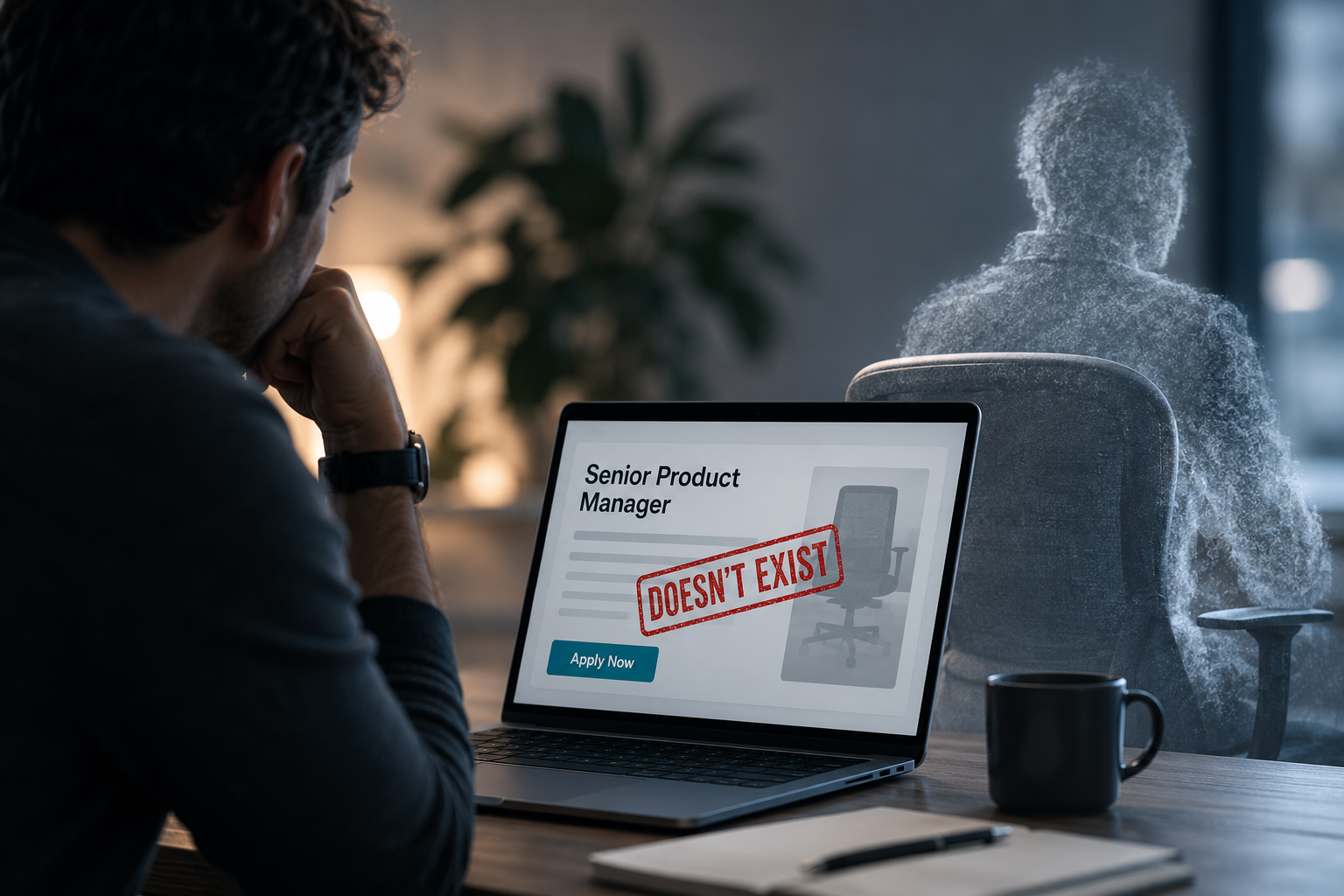
That control extends both ways. Organisations hiring through TYP are verified too, so the exposure you’re avoiding isn’t replaced with a different risk: unverified recruiters, ghost roles, or data being harvested and resold. Anonymity without credibility just moves the problem. We built both in from the start.
Why this matters more than ever
The market has shifted. People move roles more often, career paths are less linear, and the stigma around “looking” has quietly followed everyone into a permanent, searchable online record. At the same time, hiring has become more public, with more posts, more updates, more digital footprints to manage.
In that environment, discretion isn’t a nice-to-have. It’s the thing that determines whether someone with real potential ever puts themselves forward at all.
The future of job searching isn’t about being visible to everyone, all the time. It’s about being visible to the right people, at the right moment, on your terms, not the platform’s.
That’s what “anonymous until you’re ready” actually means. Not hiding. Choosing.